Exclusive Interview! 【cephalo】

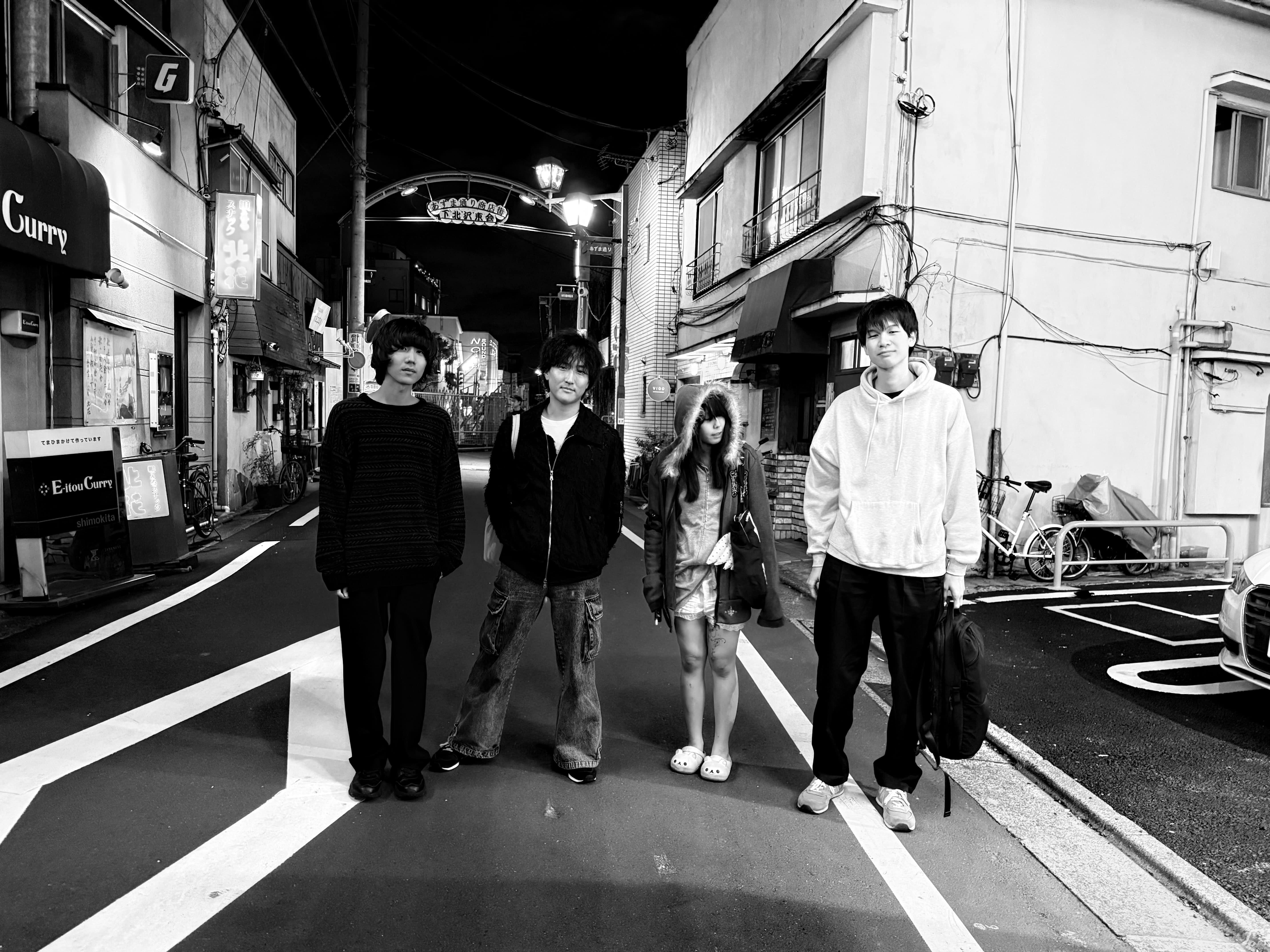
cephalo: Weaving the World Through Their Sound by Believing in Their True Selves
In cephalo’s music, you can feel both a creative drive and a genuine soul.
The four members, connected by the bond of music, value one thing above all: keeping their band going for the long term.
From recordings to live shows and everyday life, they reveal many sides of their charm.
Members: Vo./Gt. Fuki, Gt. Ōmae, Ba. Ōtaki, Dr. Uchida
(Interview by KAON)
cephalo: A Band Connected Through Music
The Meaning Behind the Band Name
— First, can you tell us how the band name “cephalo” came about?
fuki: We each suggested ideas and chose one that looked cute when written. We cared more about how the letters looked than about any particular meaning.
— So you focused more on the appearance of the letters than on how they sound?
fuki: Exactly. It was completely about the look.
Ōtaki: There wasn’t any deep meaning. We just went with the impression it gave.
Creating Music Without Genre Boundaries
— How would you classify cephalo’s music in terms of genre?
Ōmae: We don’t really stick to any genre. I feel like labeling ourselves wouldn’t be quite right.
Uchida: Right. I think what makes cephalo unique is that we’re not tied down to anything.
cephalo Started Through a Band Member Forum
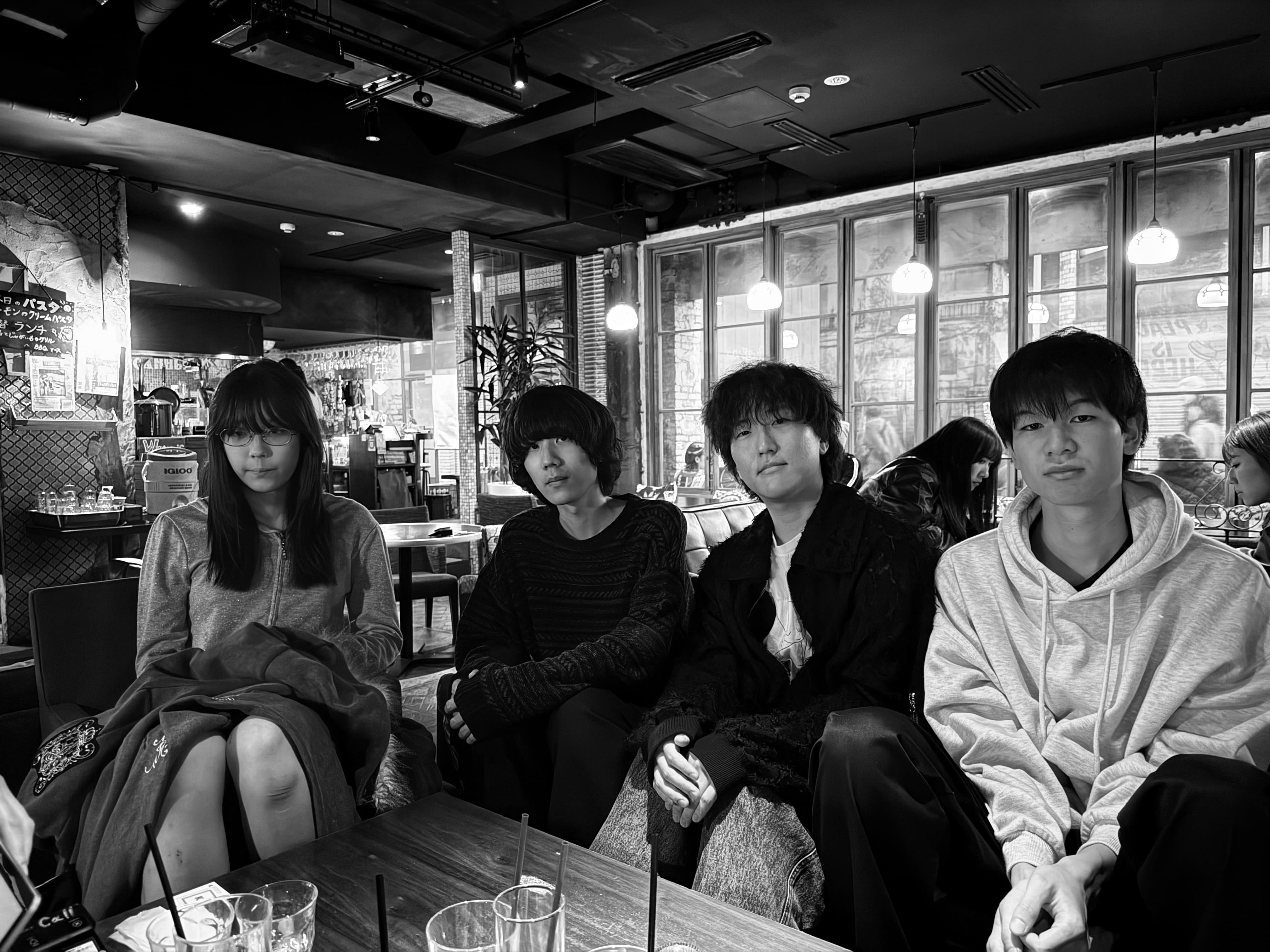
— We heard that you all met through a band member recruitment forum. How did that happen?
Ōmae: I was the first to post on the forum. At the time, I mentioned bands I liked, like Supercar.
Ōtaki: Yes, I remember he contacted me, saying he wanted to form a band like Supercar. I had listed my favorite artists in my profile, which is what led him to reach out.
fuki: I didn’t have friends who shared my taste, so I saw Ōmae’s post and decided to creach out to him.
Uchida: I joined last. They were looking for a drummer, and that’s how the four of us came together.
Starting with Original Songs from the Beginning
— Did you make original songs from the start?
Ōmae: Yes, we started with demos in mind from the very beginning.
fuki: That’s right! I heard Ōmae’s demo and thought, “Wow, this is good.” That’s when we really got started.
Each Member’s Musical Roots
— What inspired each of you to start making music?
fuki: I had been playing piano for a long time, but I really wanted to be in a band. When we decided to form this band, that’s when I started practicing instruments and writing songs seriously. I bought a beginner guitar kit in high school, but I hardly played it (laughs). When we finally formed the band, I started practicing properly. Playing the F chord was really tough…
What Kept You Going
— Guitar practice must have been difficult. Why didn’t you give up?
fuki: Everyone else was so good at their instruments that I felt I had to catch up. That pressure kept me practicing (laughs).
— Was this your first time singing as a vocalist too?
fuki: Yes. But I had practiced a lot with NicoKara—karaoke videos on Nico Nico Douga (laughs).
Everyone: Really?! We had no idea! (laughs)
A Childhood Immersed in Music
— Ōmae, how did you first get into music?
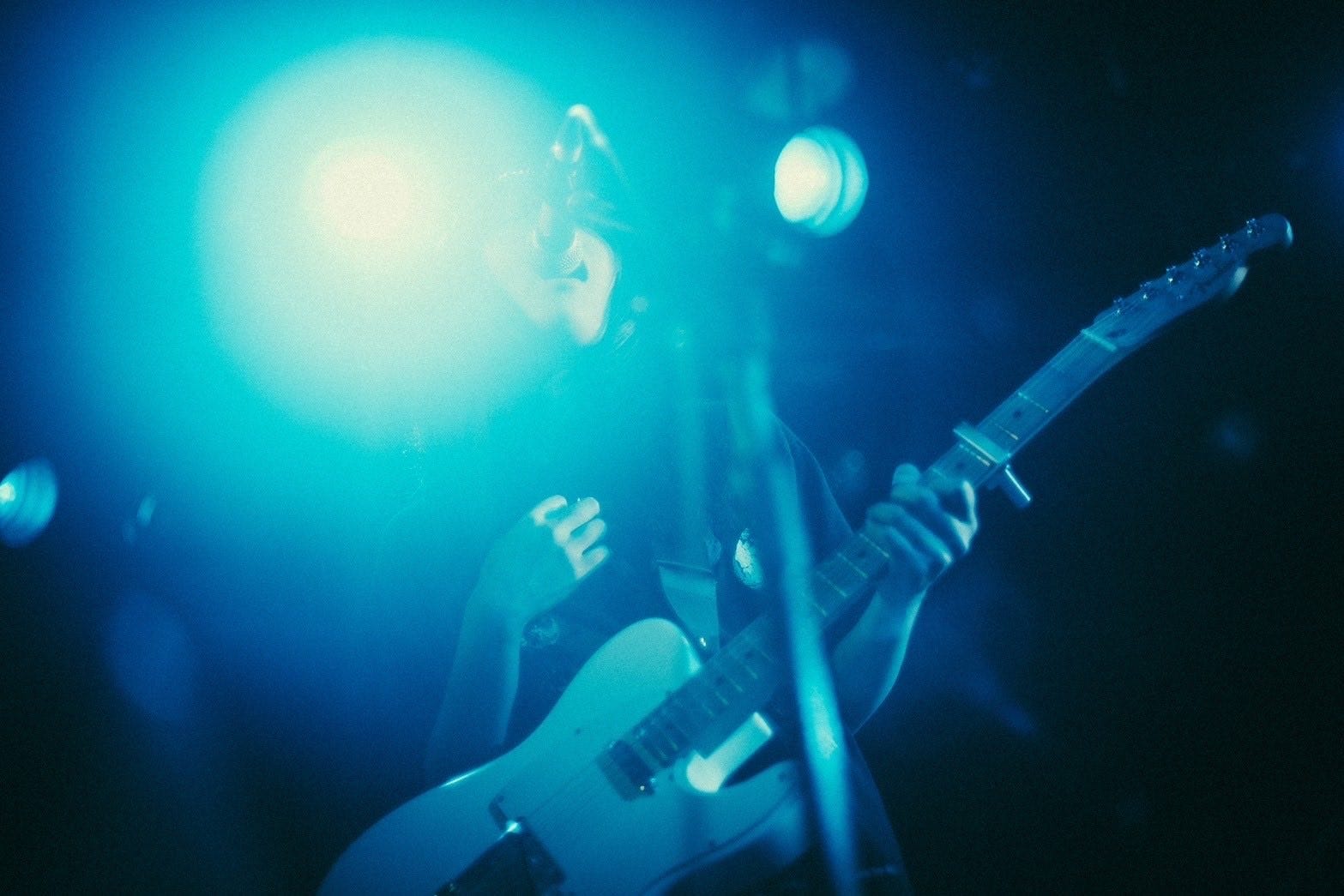
Ōmae: I’ve loved music for as long as I can remember. I bought my first acoustic guitar in sixth grade. But I gave up once and didn’t play at all during middle school. It wasn’t until I joined the light music club in high school that I picked up the guitar again.
— What kind of music did you listen to as a child?
Ōmae: Bands like Thee Michelle Gun Elephant.
Everyone: Wow, that’s pretty cool.
Ōmae: Not many elementary school kids were listening to that kind of music (laughs).
— Did you always want to play the guitar?
Ōmae: Yes, from the beginning, it was always the guitar. In middle school, I was mostly focused on baseball and didn’t play much, but joining the high school music club got me back into it.
What Drew Him to Drums
— Uchida, how did you first get into music?
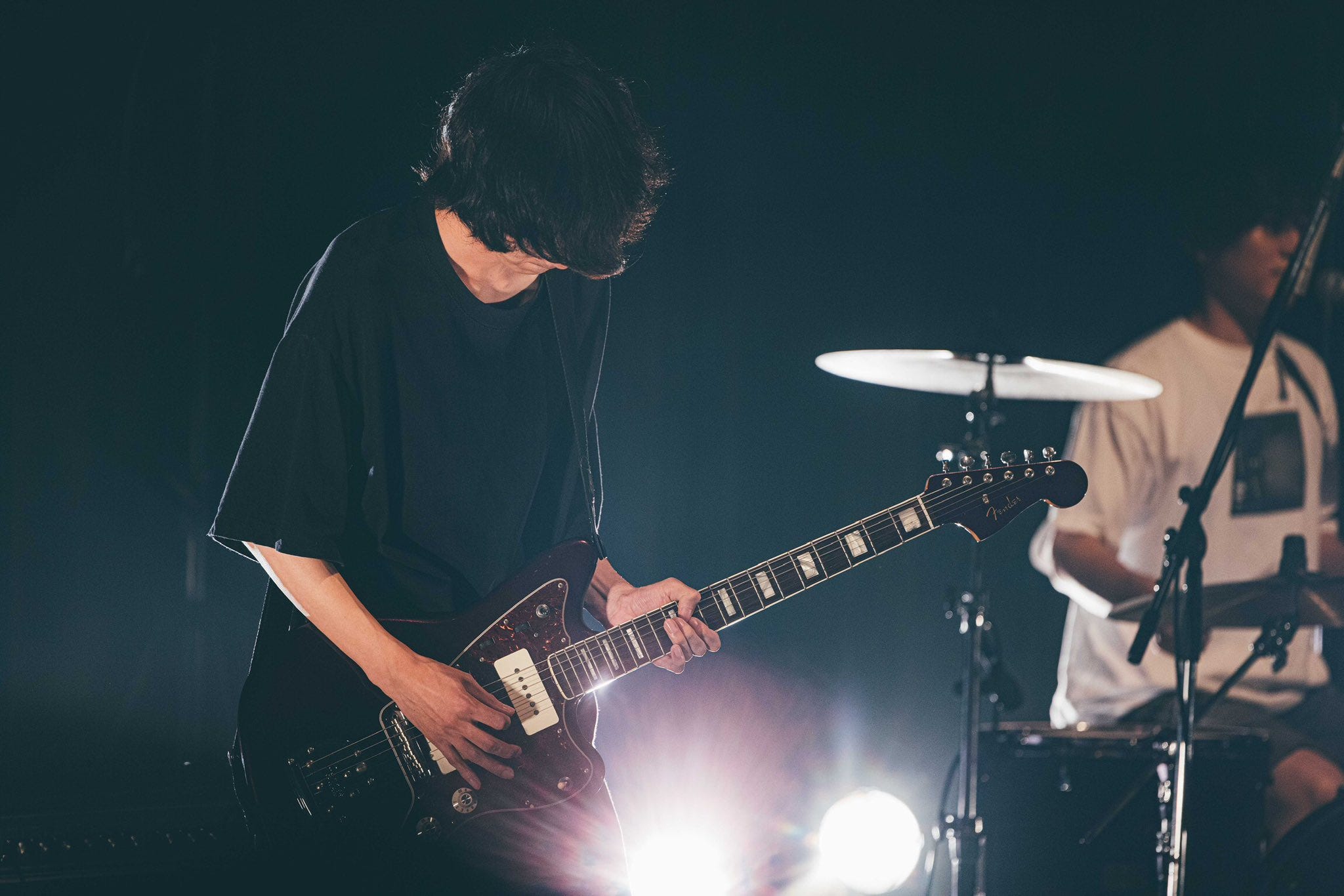
Uchida: I played piano until fifth grade, but after that, I didn’t do much music until high school. When I entered university, a friend invited me to join a light music club. At first, it wasn’t really about wanting to play music—I just wanted to try something new! I thought drums looked fun, and when I tried them, I really enjoyed them. From then on, I took it seriously. I taught myself and played drums in various bands in the club for six years, even through graduate school.
— What kind of songs did you cover in the club?
Uchida: Our club focused on Western indie rock, so we played bands like Radiohead. It was easier to join different bands as a drummer since other instruments often had too many people, which gave me a lot of opportunities.
— What did you do after moving to Tokyo?
Uchida: After moving from Kyoto, I immediately signed up on a member recruitment site and started band activities. Recently, to really learn the basics, I’ve been attending drum lessons since February 2025.
Starting Music at 21: Guided by the Bass
— Ōtaki, how did you start making music?
Ōtaki: I actually started pretty late—at 21. I’d been on my high school basketball team, and when I entered university, I thought, “I want to start a band with friends from home.” We formed a band, but no one practiced much (laughs). I still wanted to play, so I bought an instrument and started practicing on my own. I originally planned to play guitar, but I lost the “guitar battle” with the others and ended up on bass (laughs). Since then, I’ve been a bassist.
— What kind of music were you playing back then?
Ōtaki: Mostly anime songs. I also liked Vocaloid and often did covers.
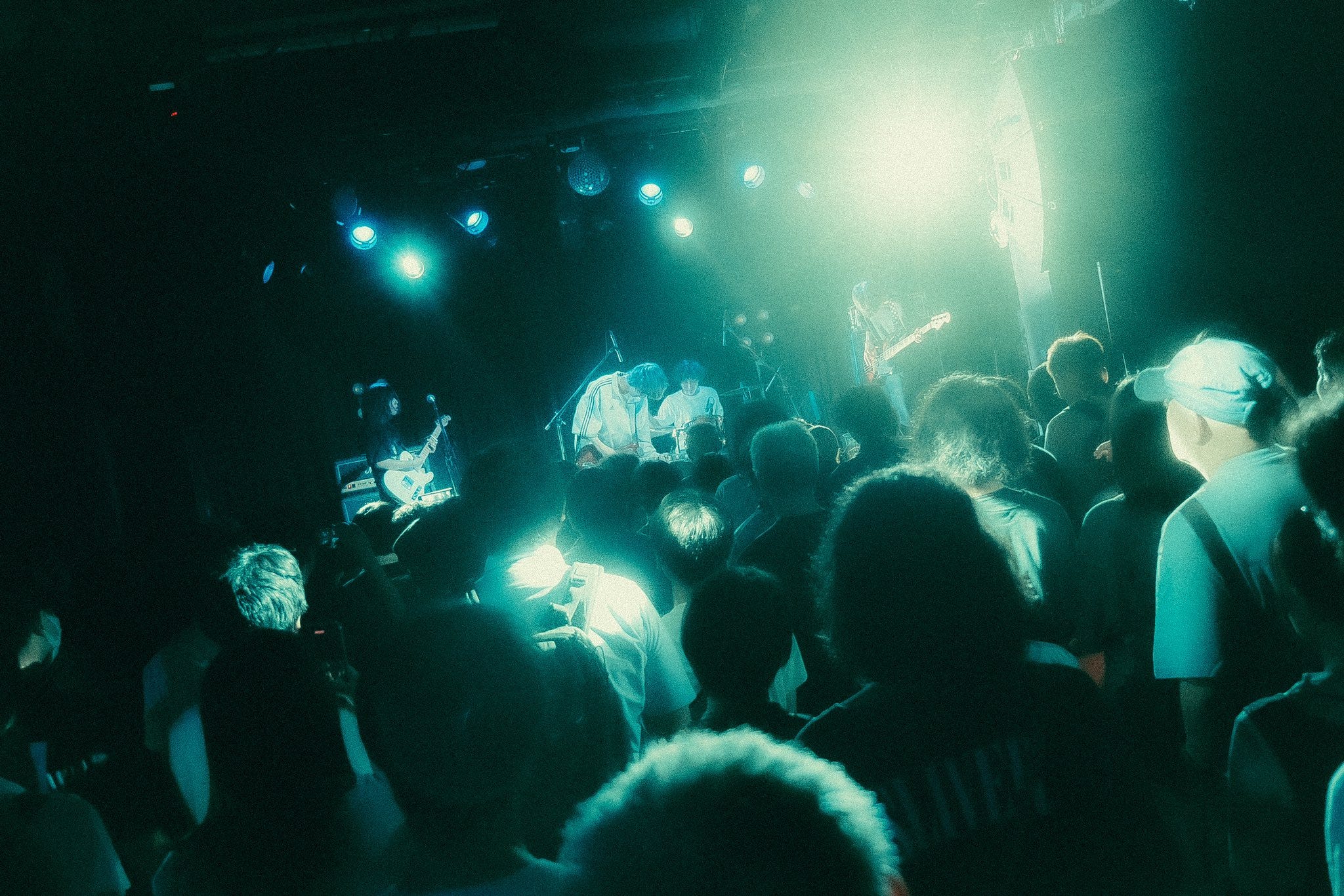
cephalo’s First Live Performance
— How was your first live show?
fuki: Our first live was at FORESTLIMIT in Hatagaya, a place I used to go to a lot.
There was a booker named Kato-san who had come to see me perform a solo show, and that’s how we got invited.
Ōtaki: It wasn’t a typical live show—it was a fun floor event with students doing comedy acts as well. We played four songs that day, and I don’t think we did much MCing.
— Were you nervous?
fuki: Since it was a floor live, I was able to stay relaxed.
Uchida: Yeah, it was really easy to perform.
Ōmae: The audience reacted well, and the atmosphere was great—but our playing… was really bad (laughs).
Ōtaki: It’s been about a year and a half since that show, and we’ve really changed. We’ve improved a lot and started coming together as a band.
cephalo’s Songwriting Style
— What do you focus on when creating songs?
fuki: The main composers are Ōmae and me. I really love Ōmae’s songs, so I often add melodies to his music. When I write on my own, I use GarageBand for multi-track recording and create music based purely on inspiration. I usually work on lyrics and music at the same time, and once it’s somewhat complete, I share it with the other members.
— And then the rest of the band adds their arrangements?
Ōtaki: Yes. It’s never fully finished when it comes to us. We take the basic idea and work together to structure it as a band.
— Ōmae, how do you create songs?
Ōmae: I’m kind of moody (laughs). It completely depends on my mood at the time. Whenever I get an idea, I immediately record it on Voice Memos. I already have about 300 saved.
Recently, I usually create just one chorus and give it to the band. From there, we figure out the structure together. Fuki adds the melody first, and then we build the entire song around that.
Sources of Creative Inspiration
— What inspires you when you create?
fuki: Manga. I read a lot of it. Whenever I have free time, I’m reading.
Ōmae: For me, it’s movies. I often get ideas for songs from what I watch. Mostly Japanese films, and usually darker ones (laughs).
— So your songs become dark too?
Ōtaki: It’s not really a bright or cheerful song, haha.
— Do you watch movies in theaters?
Ōmae: No, I watch everything at home.
fuki: Ōtaki is the one who goes to the cinema, right?
Ōtaki: That’s right. I like watching movies in theaters, about five times a month. Sometimes I watch old classics. It doesn’t directly influence my music, but it’s inspiring.
Drumming Ideas: Input from Different Genres
Uchida: I don’t compose songs, so I focus on listening to different music to come up with drum patterns. Once, for a song called “Acondrite,” I was asked to add a vertical groove on the drums, so I listened to a lot of hip-hop (laughs). My style is basically to take in whatever input I can and try it out. If there’s a specific request, I listen to that genre to get ideas.
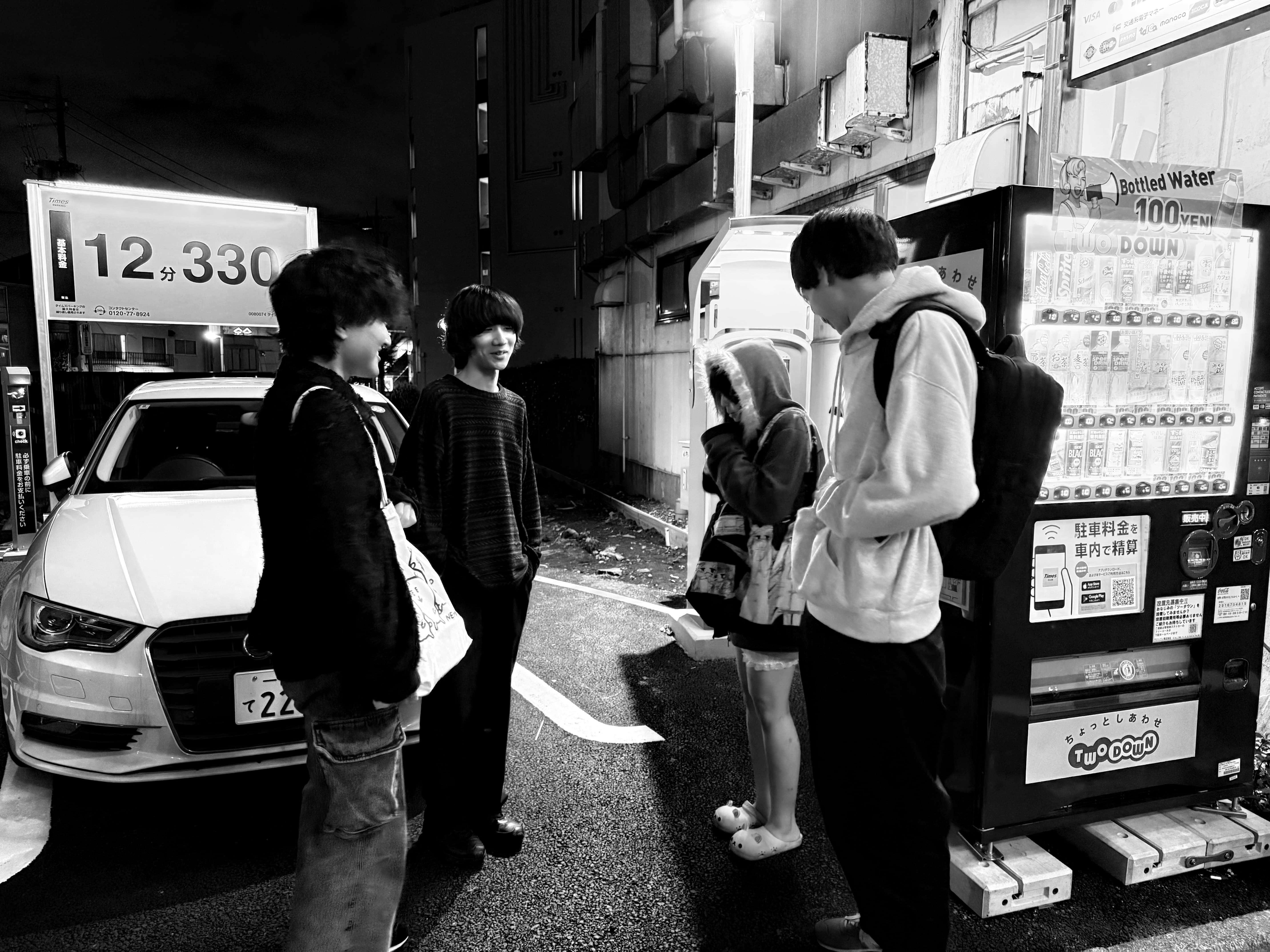
Valuing Things Only Possible in Live Shows
— Do you do anything special for your live performances?
Ōmae: I try to do things in live shows that you can’t do anywhere else. We sometimes rearrange songs or change little things each time, so that it’s never exactly the same.
Ōtaki: Sometimes, right before a live show, our practice ends up being just checking the arrangements (laughs).
Ōmae: That’s true (laughs). It feels like we’re always working on arrangements.
— Do fans react when you play differently from the recordings?
Ōtaki: Yes, they do. On X (formerly Twitter), we often get reactions to songs like “Root 225” or “unnamed planet.” Seeing that really makes us happy.
Music That Shaped cephalo
— Are there any artists who influenced you?
fuki: Starting from the beginning, the first artist who influenced me was Shiina Ringo. I still listen to her now.
Uchida: Musically, I was influenced by Galileo Galilei. For drumming, post-rock has had a big impact on me. Sigur Rós is a key example.
Ōmae: For Western music, I really love Radiohead.
Ōtaki: In terms of bass playing, I’ve been influenced by anime song composers like Keiichi Hirokawa and Kentaro Sonoda.
— Isn’t anime music hard to play on bass?
Ōtaki: It’s challenging, yes. But that’s what makes it fun. Even now, some of my bass lines are influenced by anime songs.
The Future cephalo Sees
— What are your dreams or goals for the future?
fuki: In the beginning, it really started as just a hobby, like an extension of our daily lives. But as we continued, I began to feel, “Music might be the only thing I really have.”
Lately, I have focused on keeping the band going long-term. In the age of social media, a single comment can change how you’re perceived or make you overthink things, but it’s more important to focus on ourselves and continue as four members.
I’ve come to think it’s a waste to treat this like a short-term battle. We really want to grow steadily and keep moving forward together.
One Day, Fuji Rock… and Beyond
— Are there any festivals you’d like to play?
Ōtaki & fuki: We really want to play Fuji Rock!!
— Have you had any experience performing overseas?
Ōtaki: Yes, we’ve been to Thailand and Taiwan. In Thailand, an event organizer invited us, and in Taiwan, we got the opportunity through some acquaintances.
Ōmae: It was amazing to see the audience know our songs and sing along. That made us so happy.
Ōtaki: It felt even more like home than in Japan (laughs).
fuki: We even had a signing session, and seeing so many people line up was really moving.
— Are there any other countries you’d like to visit?
Ōmae: One day, we definitely want to go to Europe and the US!!
Message to Fans
—Finally, please share a message with your fans.
fuki: Thank you for your support!
Our EP “gloaming point” will be released on November 7!!
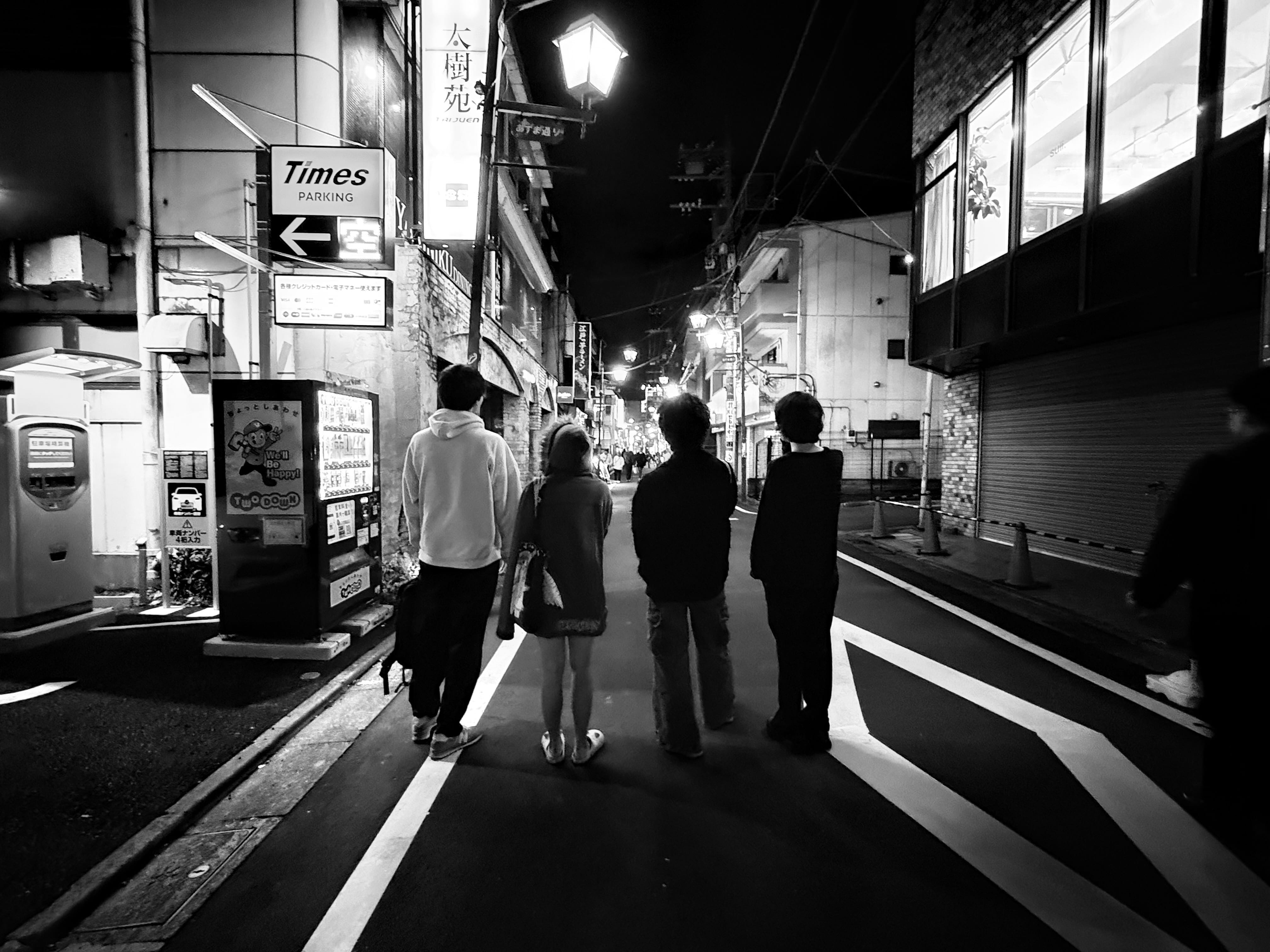
Upcoming Live Shows
MidNight Sun 2026
Date: Monday, January 19, 2026
Venue: Spotify O-nest
Open / Start: 18:30 / 19:00
Tickets: Advance ¥2,400 / Door ¥3,400 | Student Discount ¥1,400 (+1 drink)
Lineup (First Announcement): cephalo, liquid people
===================
cephalo Solo Live: “gloaming point”
Date: Saturday, February 21, 2026
Venue: Shibuya WWW
Open / Start: 17:00 / 18:00
Event: Live + Film Screening
Second Pre-sale:
November 29 (Sat) 10:00 – December 7 (Sun) 23:59
Early-bird: ¥3,400 + 1 drink
Under-20: ¥2,400 + 1 drink
General Sale:
December 13 (Sat) 10:00 – February 20 (Fri) 23:59
Advance: ¥3,900 + 1 drink
Under-20: ¥2,400 + 1 drink
cephalo Profile
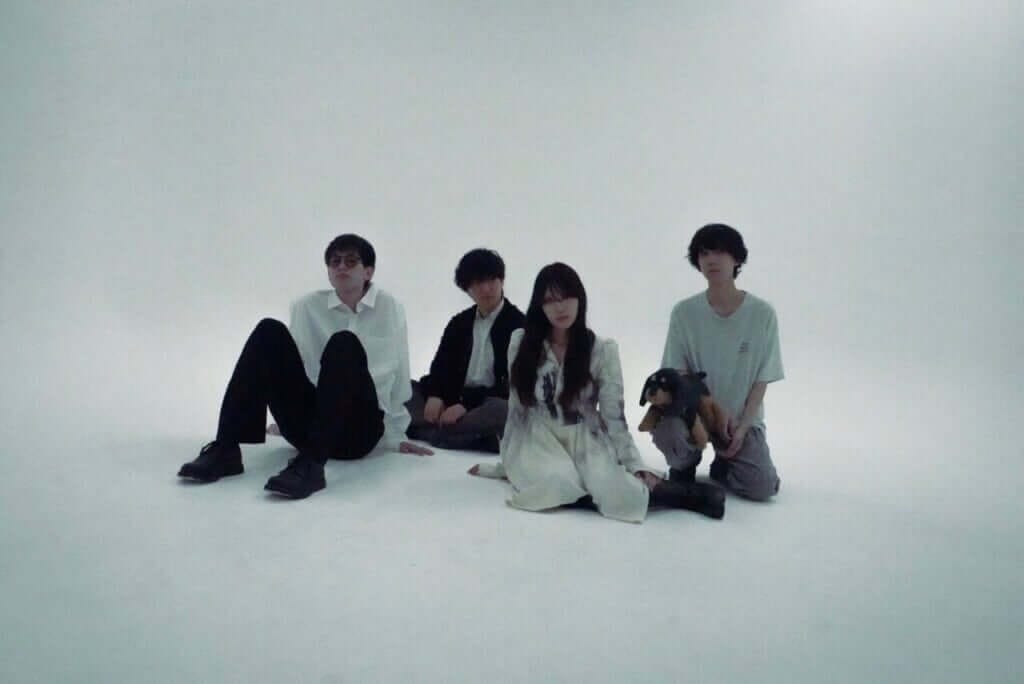
cephalo is a four-member band consisting of Vo./Gt. Fuki, Gt. Ōmae, Ba. Ōtaki, and Dr. Uchida. Their music is rooted in indie rock, blending Fuki’s unique lyrical world and clear, expressive vocals with catchy melodies, creating a sound full of tension and energy.